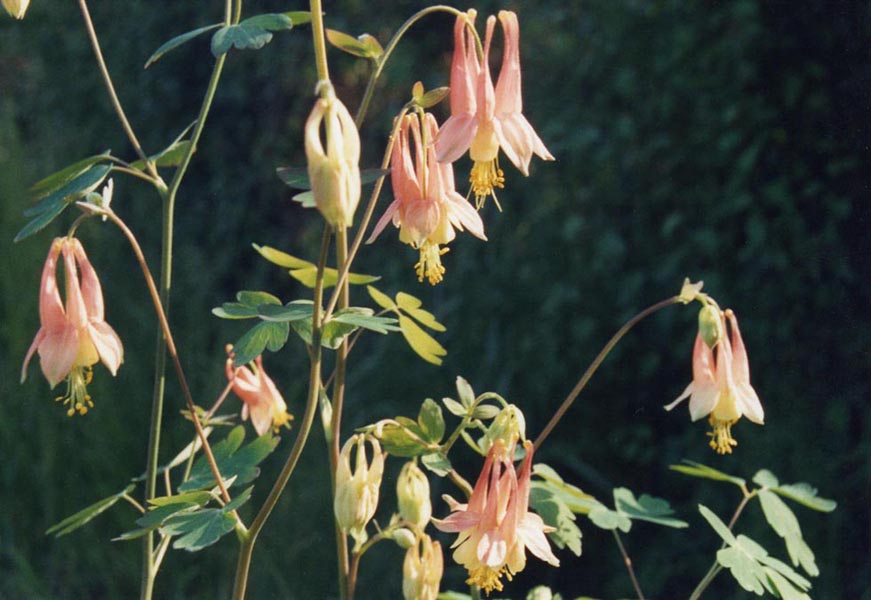
Wildflowers
Growing Native Wildflowers in Canada
A region-by-region overview of native wildflower species suited to Canadian climates — including soil preparation, timing, and companion planting strategies.
Read articleGuides on native wildflower selection, pollinator habitat, and low-maintenance meadow design for Canadian gardens — from the Great Lakes to the Pacific coast.

Featured articles
A region-by-region overview of native wildflower species suited to Canadian climates — including soil preparation, timing, and companion planting strategies.
Read article
Plant selection, garden layout, and seasonal considerations for building a garden that supports native bees, butterflies, and other pollinators year-round.
Read article
Designing a naturalistic meadow border or backyard prairie that reduces maintenance, improves soil health, and provides multi-season visual interest.
Read articleNative plant reference
These wildflowers are widely available from native plant nurseries across Canada and provide reliable bloom periods for pollinator support.
Echinacea purpurea
Long-blooming summer perennial. Supports bumblebees, sweat bees, and goldfinches. Drought-tolerant once established. Zones 3–9.

Rudbeckia hirta
Biennial or short-lived perennial. Blooms July–October. Favoured by native bees and painted lady butterflies. Tolerates poor soil.

Monarda fistulosa
Prairie native with aromatic foliage. Attracts bumblebees, hummingbirds, and sphinx moths. Spreads slowly via rhizomes. Zones 3–9.

Asclepias tuberosa
Essential milkweed for monarch butterfly larval habitat. Bright orange July blooms. Establishes slowly but is long-lived. Zones 3–9.
Solidago canadensis
Late-season nectar source critical for migrating monarchs and overwintering native bees. Spreads vigorously; best in larger plantings.
Aquilegia canadensis
Early spring bloomer in shaded or woodland edges. Red and yellow flowers attract ruby-throated hummingbirds. Self-seeds freely. Zones 3–8.
Why native plants
Native wildflowers and local pollinators have shared habitat for thousands of years. Many specialist bees require specific native plant genera — relationships that non-native ornamentals cannot replicate.
Once established, most native prairie and woodland species are adapted to regional precipitation patterns. They typically require less supplemental watering, fertilizer, and pest management than introduced cultivars.
Seed heads, hollow stems, and leaf litter from native plants provide overwintering sites for ground-nesting bees, cavity nesters, and beneficial insects through Canadian winters.